Transport
The Evolution of Public Transportation: From Horse-Drawn Carriages to Electric Buses
Public transportation has evolved dramatically over the centuries, from horse-drawn carriages to steam-powered trains and electric buses.

Public transportation has evolved dramatically over the centuries, from horse-drawn carriages to steam-powered trains and electric buses.
Electric buses cut local emissions and noise, but a successful switch depends on charging, planning and operations as much as on the vehicles.
Bus rapid transit gives buses the speed and reliability of a metro at a fraction of the construction effort. Here is how it works.
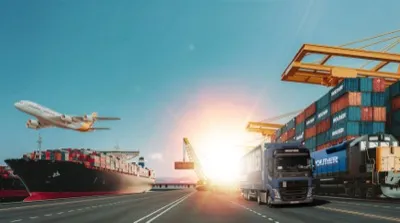
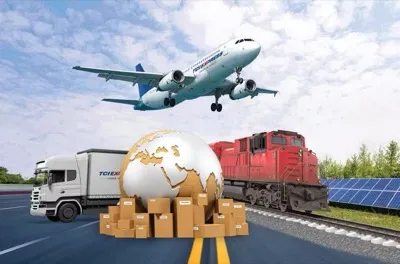
Freight transport is the backbone of global trade, enabling the movement of goods across vast distances.
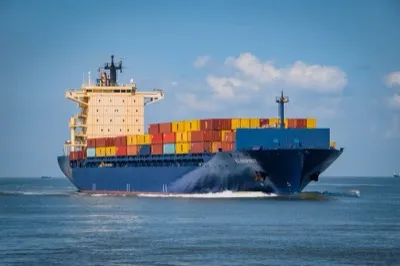
Standard shipping containers changed global trade. Here is how a box travels from a factory to a customer across the world.
Mobility as a Service combines buses, trains, bikes and taxis into one app and one payment. Here is how the idea works and where it stands.
Ride-sharing apps like Uber and Lyft have transformed the way we move around cities.
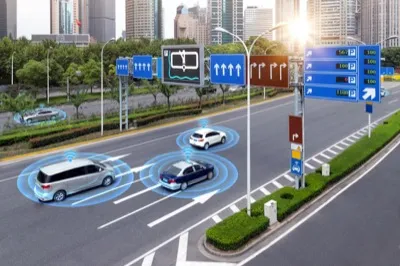
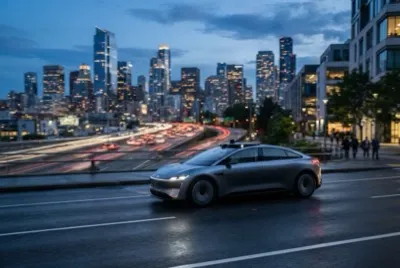
Autonomous vehicles are no longer just a concept of the future.
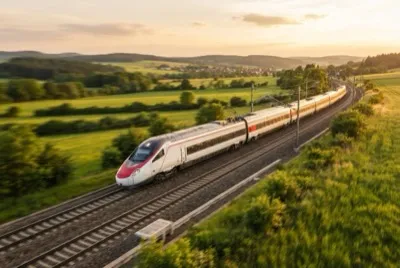
High-speed rail has become a game-changer for many countries, reducing travel times and boosting economic development.
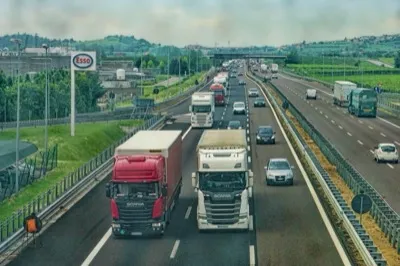
Trains and trucks each move goods well in different situations. This article compares them and explains why they often work best together.
With climate change becoming an increasingly urgent issue, sustainable transportation is a key component of reducing our global carbon footprint.