
The Role of Freight Transport in Global Trade
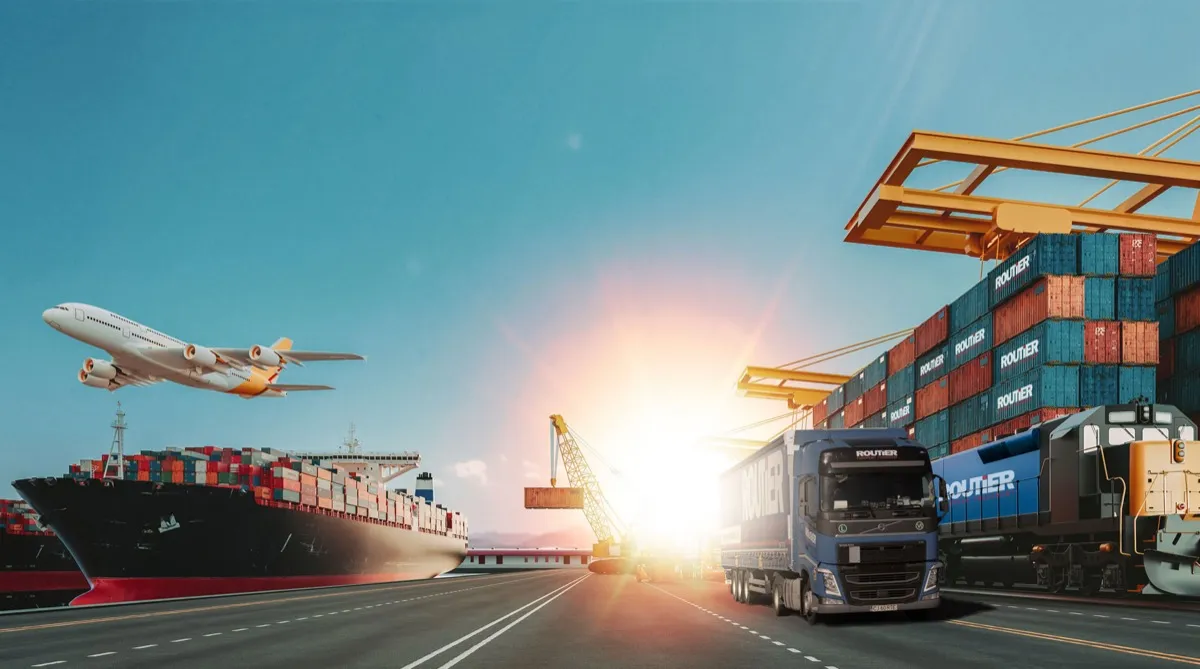
Freight transport is the backbone of global trade, enabling the movement of goods across vast distances. This article explores the different types of freight transport and their importance to the global economy.
Road Freight
Trucks are the workhorses of domestic logistics. They offer flexibility that no other mode can match, delivering door to door and reaching places that rail, ports and airports cannot. Road freight carries food, retail goods, construction materials and the final leg of almost every supply chain. Its main challenges are congestion, rising fuel and labour costs, and emissions, which is why electric and hydrogen trucks, route optimisation and driver-assist technology are receiving so much attention.
Air Freight
Air freight is the fastest way to move goods over long distances. It is used for high-value, lightweight or time-sensitive items such as electronics, pharmaceuticals, fresh produce and urgent spare parts. It is also the most expensive and carbon-intensive option per tonne, so shippers tend to reserve it for cargo where speed justifies the cost. Airports act as global hubs that connect distant markets within a day or two.
Sea Freight
The large majority of world trade by volume moves by sea. Container ships carry manufactured goods, while bulk carriers and tankers move commodities such as grain, ore and energy. Shipping is slow but extremely efficient per tonne, which keeps the cost of moving goods low. Its reliability depends on major ports, canals and straits, so disruptions at a single chokepoint can ripple across the world.
Rail Freight
Rail connects ports to inland markets and moves heavy goods across continents at relatively low emissions. Intermodal services, which transfer containers between ships, trains and trucks, are a key part of modern networks.
Challenges and Solutions
International logistics is complex. Common pressures include:
- Disruption: Weather, strikes, geopolitical events and port congestion can delay shipments.
- Visibility: Many shippers still struggle to track goods across multiple carriers and borders.
- Customs and documentation: Paperwork differs by country and can slow cross-border trade.
- Decarbonisation: Every mode of freight is under pressure to reduce emissions.
Digital tracking, shared data platforms, automation in ports and warehouses, and cleaner fuels are helping to address these issues. Many companies are also diversifying suppliers and routes to become more resilient.
The Takeaway
Freight transport rarely gets the attention it deserves, yet almost everything we buy depends on it. Understanding how the modes work together helps businesses and policymakers build supply chains that are faster, cheaper and more sustainable.
Sources and further reading
Questions or corrections? Contact the editorial team.