
How Container Shipping Works, From Factory to Port
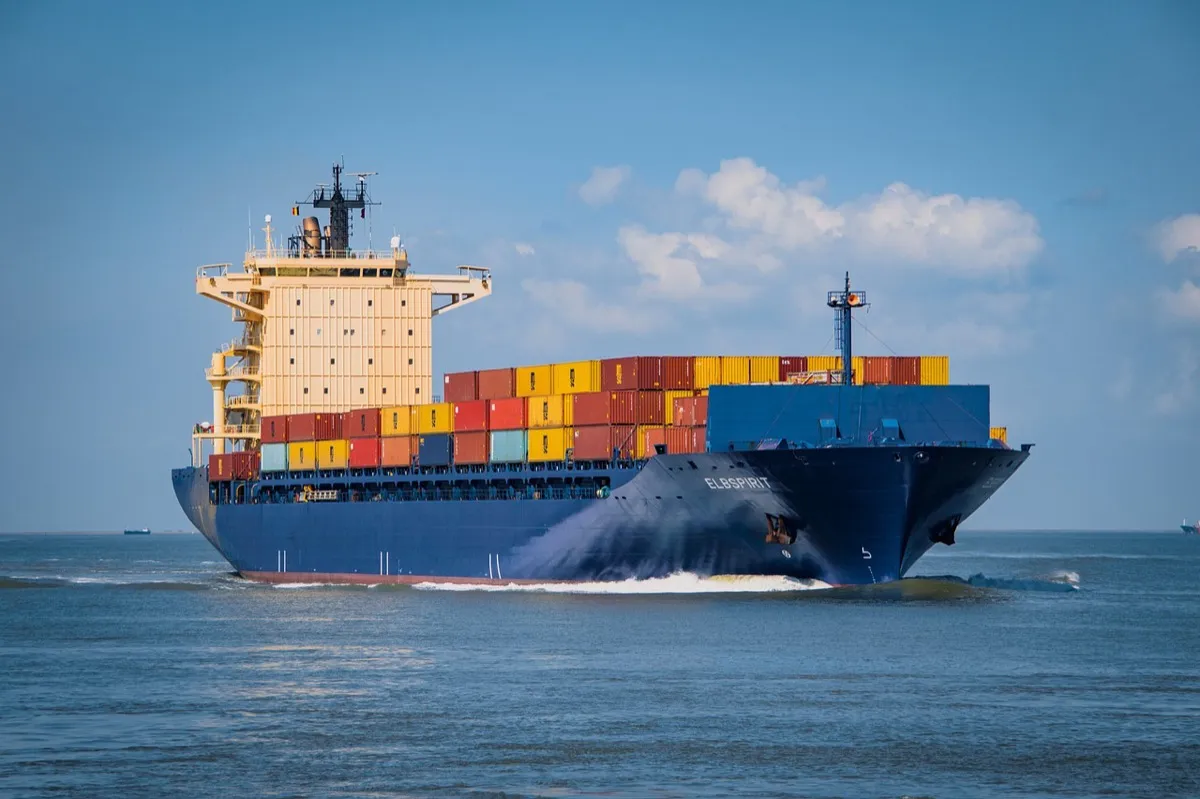
Almost everything that crosses an ocean, from electronics and clothing to many foods, travels in a standard steel box. This article explains how container shipping works and why it matters for global trade.
Why the container changed trade
Before containers, cargo was loaded piece by piece, a slow and costly process. In the 1950s, American trucking entrepreneur Malcom McLean pioneered containerised shipping, and the first purpose-built voyage sailed in 1956. Because containers have standard sizes, the same box can move between a ship, a train and a truck without being unpacked. Trade statisticians count capacity in twenty-foot equivalent units, or TEU, which is the size of the smallest standard container.
The journey of a container
A typical shipment passes through several stages:
- Packing: goods are loaded at a factory or warehouse and the container is sealed.
- Inland transport: a truck or train carries the box to a port.
- Terminal handling: cranes lift the container onto a ship, guided by a stowage plan that balances weight and sequence of ports.
- Ocean voyage: the ship sails direct or through hub ports where containers are transferred between vessels.
- Customs and delivery: the container is cleared by customs, unloaded and moved by rail or road to its destination.
Why ports and routes matter
Large ports act as hubs, and a small number of canals and straits carry a big share of traffic. When a port is congested or a route is blocked, delays can spread across supply chains within days. This is why shippers watch port schedules and often keep alternative routes ready.
Challenges and change
The industry is working on several fronts:
- Cleaner fuels: operators are testing lower-carbon fuels and more efficient ship designs.
- Digital tracking: electronic documents and shared data reduce paperwork and improve visibility.
- Automation: some terminals use automated cranes and vehicles to speed up handling.
The takeaway
The container turned shipping into a standard, predictable system that made long-distance trade affordable. Understanding how it works helps explain why a disruption at one port can affect shops and factories on the other side of the world.
Sources and further reading
Questions or corrections? Contact the editorial team.