
The Impact of High-Speed Rail on National Economies
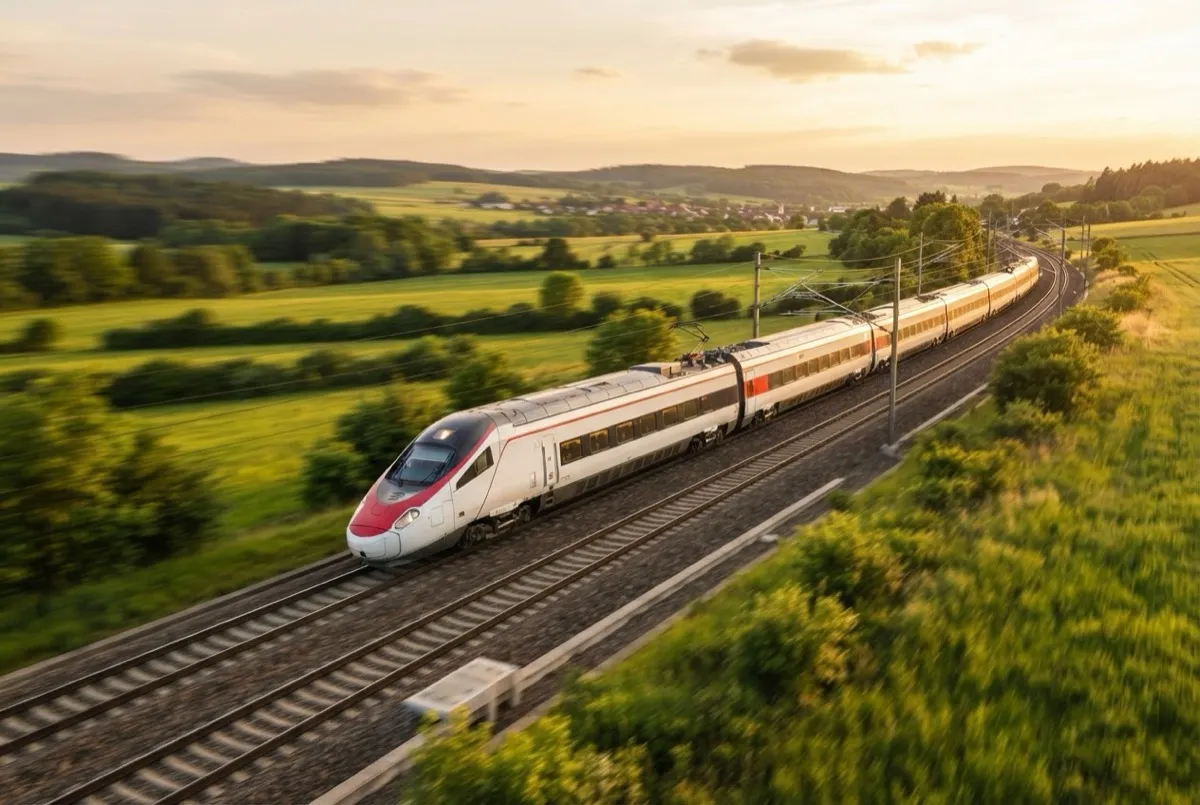
High-speed rail has become a game-changer for many countries, reducing travel times and boosting economic development. This article looks at how high-speed rail has impacted economies and transformed national transport infrastructures.
History of High-Speed Rail
The modern era of high-speed rail began in Japan in 1964, when the Shinkansen linked Tokyo and Osaka ahead of the Olympic Games. Its success showed that dedicated tracks, purpose-built trains and strict scheduling could make rail competitive with flying over medium distances. Europe followed, with France opening its first TGV line in 1981, and Spain, Germany, Italy and others building their own networks. In recent decades, China has built the largest high-speed network in the world, and new lines are under construction or planned across Asia, Europe, the Middle East and Africa.
Economic Benefits
High-speed rail shortens the effective distance between cities. A journey that once took half a day can become a comfortable ride of a couple of hours, which widens the pool of jobs, customers and suppliers that businesses can reach. The benefits typically include:
- Regional development: Cities along a line often attract new offices, hotels and services, particularly around stations.
- Labour market access: Workers can live in more affordable towns while commuting to larger economic centres.
- Tourism and business travel: Easier connections encourage day trips, conferences and weekend travel.
- Construction and supply chain activity: Building lines and rolling stock supports jobs in engineering, manufacturing and materials.
The gains are not automatic. Studies often find that benefits depend on how well stations connect to local transit, how frequent the services are, and whether fares are affordable. Smaller towns can also lose business to larger hubs if the line mainly makes it easier to travel away.
Environmental Impact
Electric trains can run on renewable power, and per passenger they generally use much less energy than cars or short-haul flights. When high-speed rail replaces air travel on busy corridors, it can reduce emissions noticeably. Construction does carry a carbon cost, and lines need land, so planners increasingly weigh route choices, tunnelling and habitat protection against the long-term operating benefits.
Global Success Stories
Japan, France and Spain are often cited as examples of networks that reshaped how people travel, with strong passenger numbers on their main corridors. China demonstrates what is possible at scale, connecting dozens of major cities in a relatively short period. Other countries are catching up, and the common lessons are consistent: plan stations as part of wider urban development, integrate rail with local transit, and keep the services frequent and reliable.
The Takeaway
High-speed rail is a long-term investment rather than a quick fix. When it is planned well and connected to the wider transport system, it can support growth, lower emissions and give people more choice about where they live and work.
Sources and further reading
- High-speed rail (Wikipedia)
- Shinkansen (Wikipedia)
- The Future of Rail, International Energy Agency
- High speed, International Union of Railways (UIC)
Questions or corrections? Contact the editorial team.