
How Autonomous Vehicles Are Changing the Future of Transport
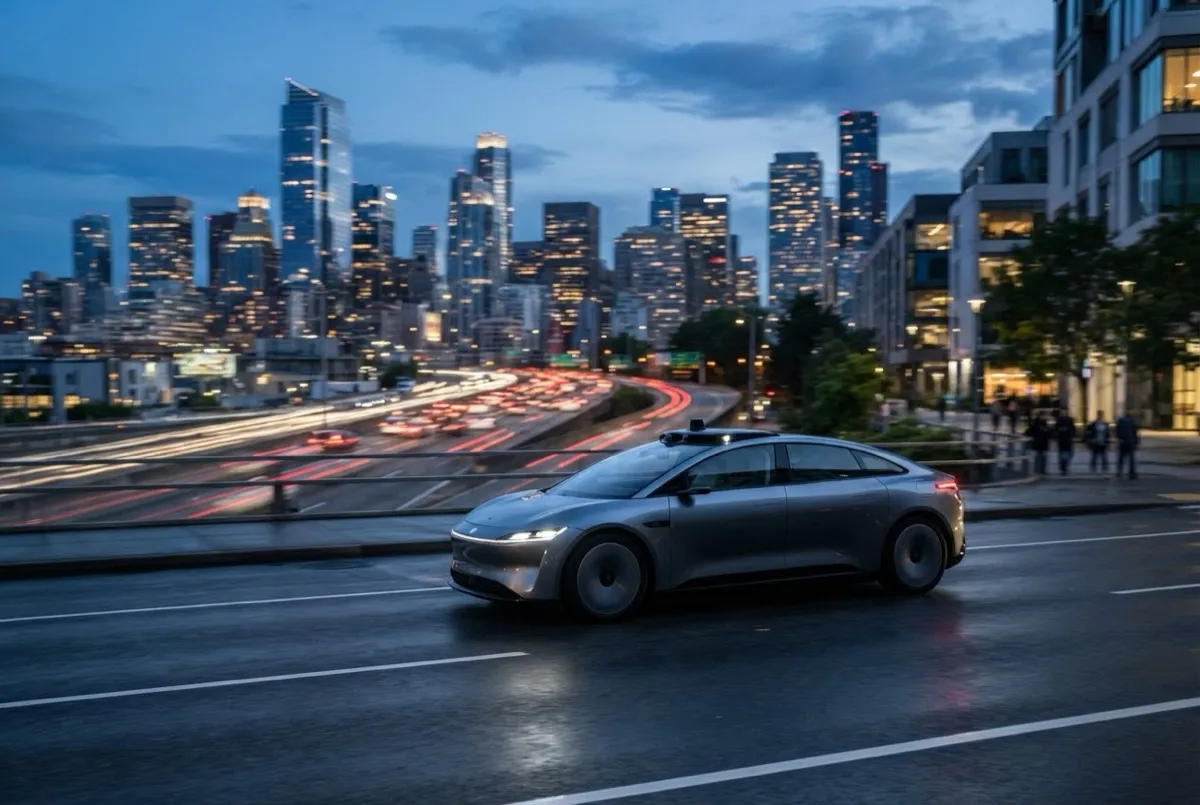
Autonomous vehicles are no longer just a concept of the future. With advancements in AI and sensor technology, self-driving cars, trucks, and buses are becoming a reality. This article looks at how autonomous vehicles are reshaping transport systems.
What Are Autonomous Vehicles?
An autonomous vehicle uses sensors, software and mapping data to perceive its surroundings and drive with little or no human input. Engineers describe the technology in levels, from basic driver assistance such as adaptive cruise control to full automation in which no human driver is needed. Most vehicles sold to consumers today sit in the lower levels, while higher-level systems are being tested or operated in limited areas such as geofenced robotaxi zones, ports, mines and logistics yards.
Benefits of Self-Driving Technology
The case for autonomy rests on several promises:
- Safety: Human error is a factor in most road collisions, and systems that do not get tired or distracted could help reduce them.
- Efficiency: Smoother driving and coordination between vehicles may reduce congestion and fuel or energy use.
- Convenience: Passengers could use travel time for work or rest, and people who cannot drive could gain independence.
- Freight productivity: Autonomous trucks and yard vehicles could operate longer hours and ease driver shortages on long routes.
These benefits remain largely unproven at scale, and results vary by system, location and conditions.
Challenges and Ethical Concerns
Technology is only part of the story. Self-driving systems must handle rare and unpredictable situations, such as unusual road layouts, bad weather and the unexpected behaviour of pedestrians and cyclists. Regulators are still deciding how to certify these systems and who is liable when something goes wrong. Public trust is also fragile, since a single high-profile incident can set confidence back. Other concerns include data privacy, cybersecurity and the effect on professional drivers whose jobs may change.
A Glimpse Into the Future
The nearest-term opportunities are in controlled or repeatable environments. Autonomous shuttles and buses on fixed routes, driverless vehicles in warehouses and ports, and long-haul trucking on highways are all active areas of development. Over time, connected vehicles could talk to each other and to traffic infrastructure, helping cities manage flow, parking and public transit more intelligently.
The Takeaway
Autonomous vehicles will likely arrive gradually, use case by use case, rather than all at once. Cities, regulators and companies that prepare now, with clear safety standards and thoughtful planning for workers, will be best placed to benefit.
Sources and further reading
- Self-driving car (Wikipedia)
- SAE J3016 levels of driving automation
- Automated vehicles for safety, NHTSA
Questions or corrections? Contact the editorial team.