
How Ride-Sharing Has Revolutionized Urban Mobility
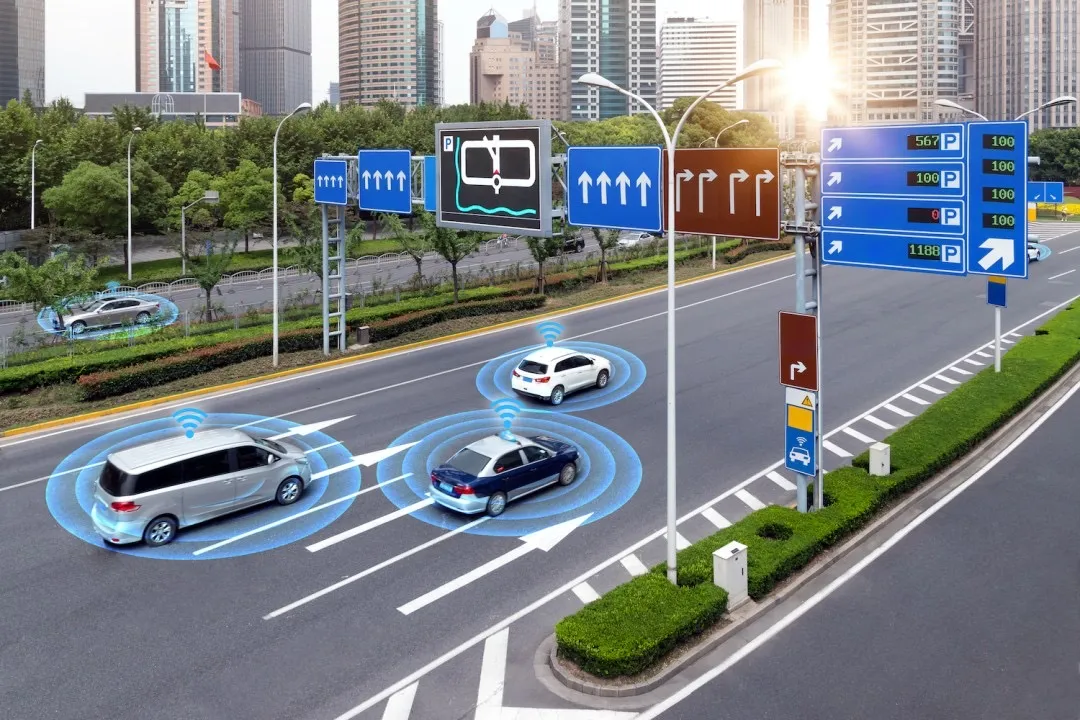
Ride-sharing apps like Uber and Lyft have transformed the way we move around cities. This article looks at how these services have impacted traditional transportation systems and what the future holds for shared mobility.
The Rise of Ride-Sharing
Ride-hailing apps began to appear around 2009 and spread quickly in the following years. By combining smartphones, GPS and online payments, they made it possible to request a car in minutes, see the price in advance and track the driver on a map. Services such as Uber and Lyft grew from a few cities to hundreds, and similar platforms emerged in other regions. Their popularity forced taxi companies, regulators and cities to rethink how on-demand transport should work.
Convenience vs. Congestion
For riders, the advantages are clear: fast pickup, cashless payment, transparent pricing and availability late at night or in areas poorly served by transit. For drivers, the apps offer flexible work. The picture for cities is more mixed:
- Pros: Less need to own or park a car, better coverage in low-density areas, and a useful link to the first and last mile of public transit trips.
- Cons: More vehicles circling for fares, competition with buses and trains, and concerns about driver pay and working conditions.
Several studies have found that ride-hailing can add to traffic in dense city centres, particularly when trips replace walking, cycling or public transport rather than car ownership.
Environmental Impact
Whether ride-sharing is greener depends on how it is used. Pooled rides, where several passengers share one vehicle, can reduce the number of cars on the road. Single-passenger trips, plus the miles drivers cover between fares, can increase emissions. Many cities and platforms are therefore encouraging electric vehicles, pooled options and integration with public transit.
The Future of Ride-Sharing
The next stage is likely to be defined by electrification, better pooling and, eventually, autonomous ride-hailing vehicles that operate without a human driver. Shared mobility is also expanding beyond cars to include e-bikes, scooters and on-demand shuttles. The most promising models treat these services as a complement to buses, trams and trains within a single, easy-to-use mobility system.
The Takeaway
Ride-sharing changed expectations about how simple urban travel should be. The challenge for cities now is to keep the convenience while reducing congestion and emissions, and to make sure the benefits are shared fairly by riders and drivers alike.
Sources and further reading
Questions or corrections? Contact the editorial team.